
Why Don’t My Cookies Spread Out and Stay Soft?
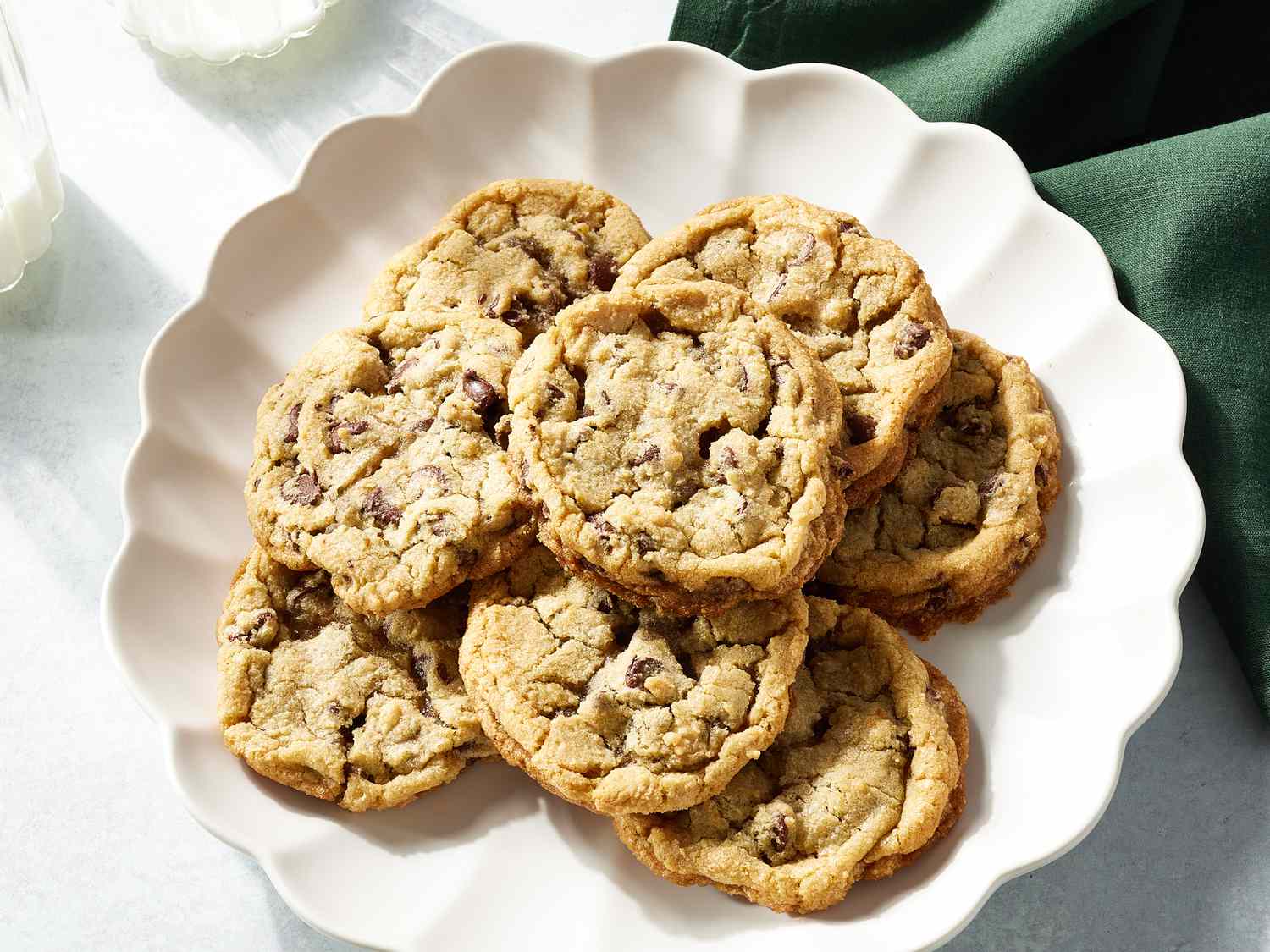
Cookie Troubles Made Simple
There’s nothing quite as frustrating as pulling a tray of cookies from the oven, only to find they’ve stayed stiff and round like dough balls or turned out tough instead of deliciously soft. I’ve been there too—countless batches later, I’ve learned that the difference between a baking success and disaster often lies in the tiniest details.
Whether you're a beginner or a seasoned baker, this guide will walk you through the reasons your cookies aren’t spreading and how to fix tough textures. For more inspiration or if you just want to try something new check out my website where you can generate custom cookie recipe based on your preferences.
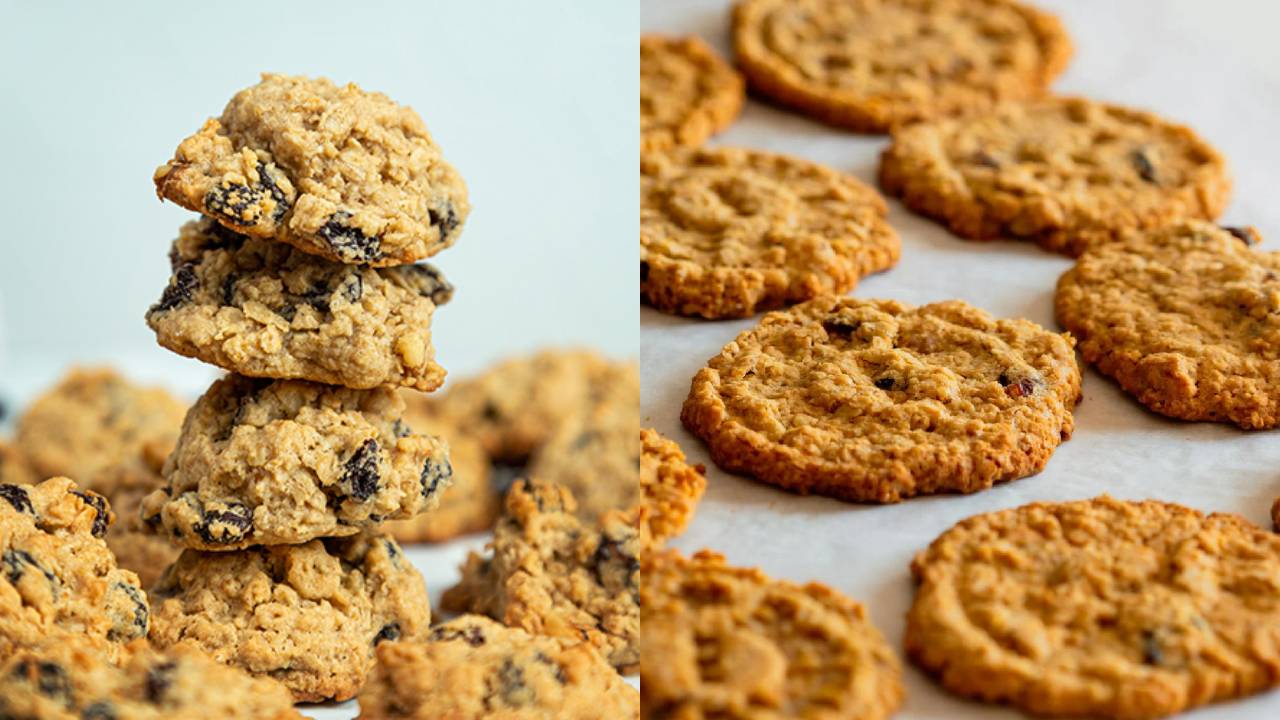
Understanding Cookie Science: Why Do They Spread or Stay Tough?
Baking is essentially a science experiment. Each ingredient plays a specific role in the outcome. Let’s break it down:
The Role of Fat
Fat (like butter or shortening) helps cookies spread. Melted butter will make your cookies spread more, while cold or solid fats keep them compact.
Sugar and Spread
Sugar contributes to cookie texture and spread. Brown sugar contains more moisture, leading to softer, chewier cookies. White sugar, on the other hand, creates a crisper texture and more spread.
Baking Powder vs. Baking Soda
Baking powder makes cookies puffier, while baking soda aids in spreading due to its chemical reaction with acidic ingredients.
Flour Types Matter
Too much flour or using a heavy flour type can lead to tough, dry cookies.
Common Reasons Your Cookies Don’t Spread (and How to Fix Them)
1. Dough Too Cold
Why: Cold dough keeps fat from melting during baking, preventing spread. Solution: Let the dough sit at room temperature for 15-20 minutes before baking, or flatten the dough balls slightly.
2. Too Much Flour
Why: Excess flour stiffens the dough, leading to dense cookies. Solution: Measure flour by weight, or use the spoon-and-level method if measuring by volume.
3. Baking Temperature Too High
Why: High temperatures cause cookies to set before they can spread. Solution: Stick to a lower temperature (around 350°F/175°C).
4. Insufficient Creaming of Butter and Sugar
Why: Creaming incorporates air, which helps cookies spread. Solution: Beat butter and sugar together until light and fluffy—about 2-3 minutes.

Why Are My Cookies Tough Instead of Soft?
1. Overmixing the Dough
Why: Excess mixing activates gluten, making cookies tough. Solution: Mix just until the ingredients are combined.
2. Too Little Fat in the Recipe
Why: Fat adds tenderness and flavor. Solution: Use a recipe with the right fat ratio or add a tablespoon more butter for softer results.
3. Overbaking
Why: Even a minute too long can turn soft cookies tough. Solution: Remove cookies when the edges are just set, even if the centers look slightly underdone.
4. Wrong Choice of Flour
Why: Higher protein flours (like bread flour) create a tougher texture. Solution: Stick with all-purpose flour for cookies.
Pro Tips for Perfect Cookies Every Time
- Room Temperature Ingredients: Bring butter, eggs, and other ingredients to room temperature for better mixing.
- Weigh Ingredients: Use a kitchen scale for precise measurements.
- Mix Gently: Mix just until combined to avoid activating gluten.
- Test Bake First: Bake a few cookies first before committing the whole batch. Adjust dough if needed.
Muffin Troubleshooting: Because We All Love Muffins Too!
While cookies are great, let’s not forget muffins. Here are some common muffin issues and their fixes:
Why Do My Muffins Get Dense and Heavy?
Solution: Don’t overmix the batter—fold wet and dry ingredients together just until no dry streaks remain.
Flat Muffins vs. Domed Tops
Solution: Start by baking muffins at a high temperature (around 400°F/200°C) for the first 5 minutes, then lower the temperature.
Balancing Wet vs. Dry Ingredients
Solution: Ensure the correct ratio by measuring accurately. Too much dry ingredient will result in crumbly muffins.
Final Thoughts and Encouragement for Bakers
Baking mishaps happen to all of us. The important thing is to learn from them and have fun along the way. Armed with these tips, you’ll be whipping up perfectly soft, beautifully spread cookies and fluffy muffins in no time.